
PaddlePoint exists to make the water accessible to everyone.
Not just people who own gear. Not just people who live near a rental shop. Not just people who know someone with a truck and a roof rack. Anyone. Any skill level. Any waterfront.
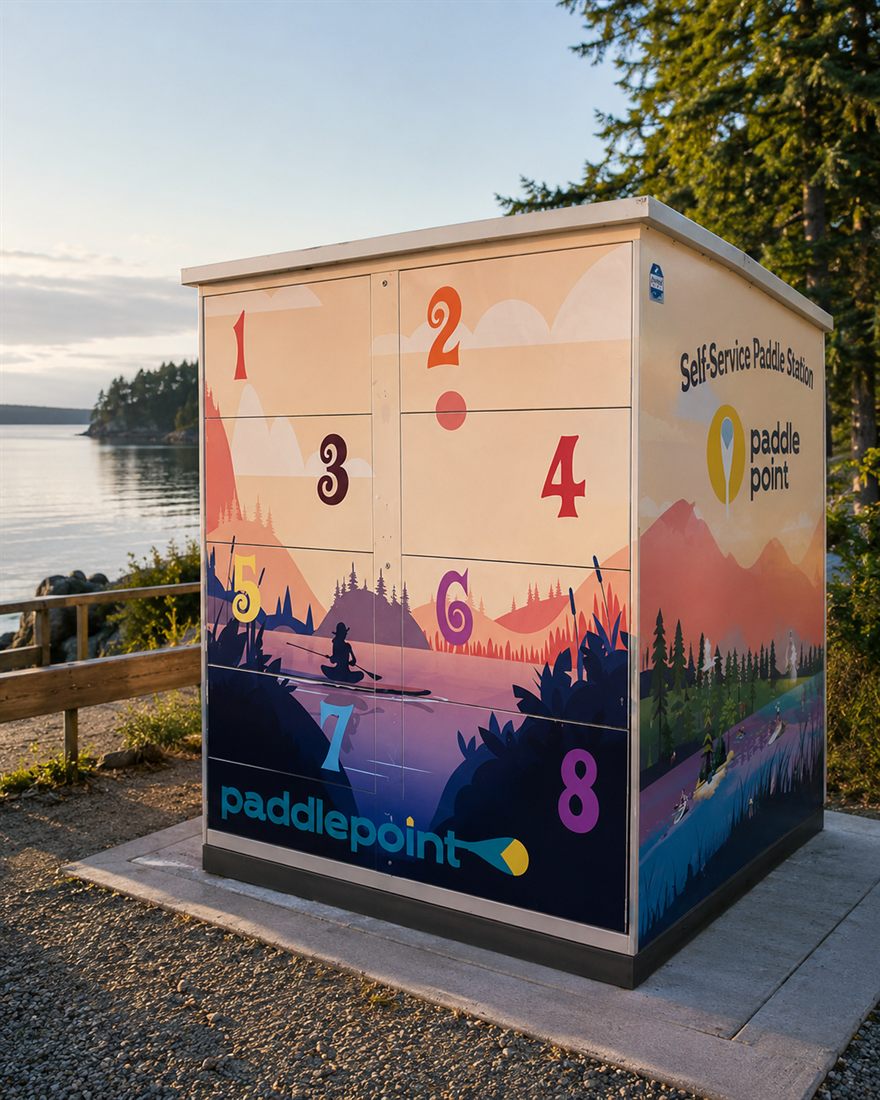
Mission
PaddlePoint exists to make the water accessible to everyone.
Our bigger vision is a Canada-scale network of self-serve waterfront stations — connected by one platform, governed by one standard, and open to every paddler, guide, host, and community that wants to be part of it.
What PaddlePoint stands for
Access
Make paddleboard and kayak rentals easier to book, use and return.
Transparency
Show price, holds, weather, access, return and support before the paddler commits.
Operations
Use software and field process to make stations expandable, modular, suistanable and trustworthy.
Values with operational meaning
Sustainability first
Stations and paddlers are guided toward low-waste, leave-it-better behaviour around the water.
Technology for access
Smart infrastructure is useful only when it makes life easier for real people.
Partner-driven growth
Hosts, captains, operators and PaddlePoint grow from aligned incentives.
Slow living on calm water
The brand celebrates calm, active outdoor time instead of rushed transactions.
Expansion
Vancouver Island proof of concept
Build trust through Parksville Bayside, Crofton Osborne Bay.
BC coast network
Expand through partners where waterfront access, permissions and seasonal demand support the model.
Canada and beyond
Use the same app roles, station standards and HQ governance to scale without diluting the brand.
Delivery relationship
Keep delivery as a related franchise model with shared standards and a separate customer path.
Brand felt in the field
The brand layer is strongest when it makes a station easier to understand: visible identity, included gear, local context and a clear path from booking to water.
Brand architecture
PaddlePoint remains the station parent experience for station pages, apps and operating standards. The delivery model stays related, but it keeps a separate customer path so paddlers do not have to decode the business structure.